Why Outsourcing BIM Services Can Reduce Project Costs
Building Information Modeling (BIM) is now important in architecture, engineering, and construction. It helps teams create accurate models and coordinate different disciplines. Outsourcing BIM Services also helps teams find problems early and plan projects better. However, managing BIM work in-house can be expensive. It requires skilled staff, software, hardware, training, and management.
For many companies, BIM services is a simple way to control these costs. It can also help maintain good-quality work.
Outsourcing BIM services means working with an experienced external BIM provider. Services can include BIM modeling, Revit modeling, and architectural modeling. They can also include MEP coordination, structural modeling, and BIM documentation. Other services include Scan to BIM, Point Cloud to BIM, and clash detection.
So, how can outsourcing scan to BIM services reduce project costs? Here are the main benefits.
Lower Labor and Staffing Costs
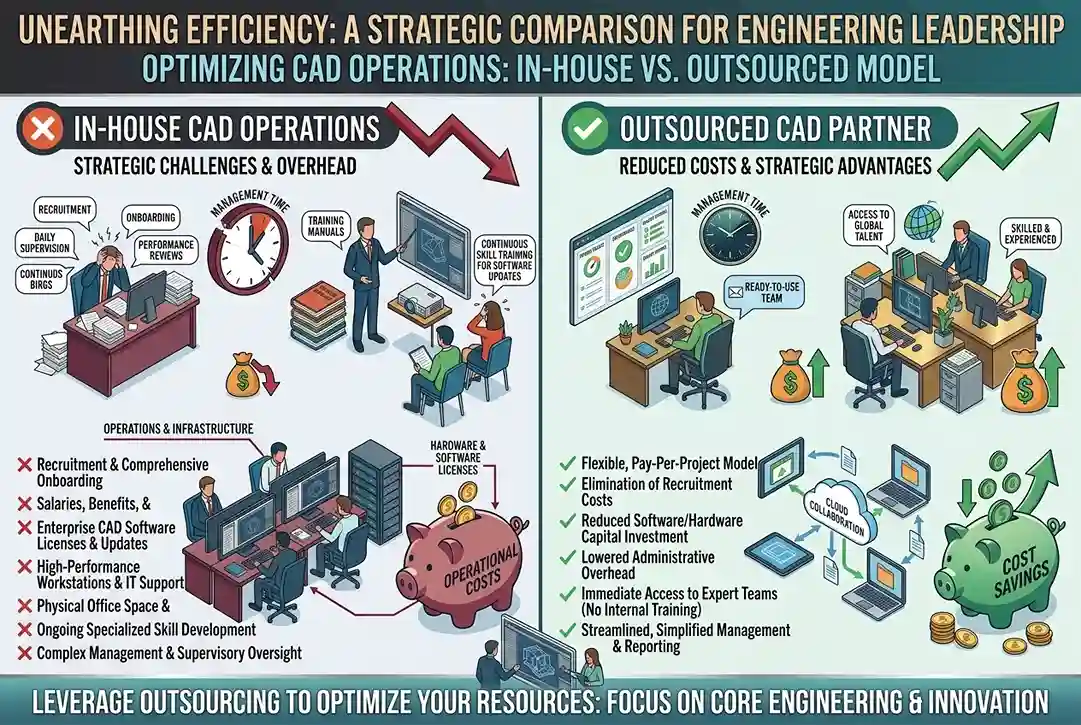
Hiring and maintaining an in-house BIM team can be expensive. Companies must pay salaries, benefits, recruitment costs, and training expenses. They also need to pay for workspace and equipment.
When BIM work is outsourced, companies can access skilled professionals without a large permanent team. Instead of hiring new employees, businesses can use an external BIM team when needed.
This is useful when project workloads change. During busy periods, companies can add more BIM resources. When work decreases, they do not need unnecessary full-time staff.
This gives businesses more flexibility and helps reduce labor costs.
Access to Skilled BIM Professionals
BIM projects require specialized skills and experience. Companies may need experts in Revit, Navisworks, AutoCAD, or structural modeling. They may also need MEP coordination, architectural documentation, or point cloud skills.
Building a skilled in-house team takes time and money. Employees also need regular training. This helps them keep up with new software and BIM standards.
Outsourcing gives companies access to experienced BIM professionals. They do not need to build the entire team themselves. A reliable BIM partner can provide specialists for different project types.
This can reduce training costs. It also lets the internal team focus on design, engineering, clients, and project management.

Reduced Software and Hardware Investment
Professional BIM software and hardware can be expensive.
BIM modeling often requires powerful computers, enough RAM, storage, and licensed software. Companies may also need several licenses and regular hardware upgrades.
With outsourcing, the BIM provider manages much of this infrastructure. The provider usually has the software, hardware, and technical resources needed.
This helps businesses avoid or reduce large upfront investments in BIM infrastructure.
Better Project Cost Predictability
Unexpected BIM expenses can make project budgeting difficult. Extra staff, overtime, software, training, and equipment can increase costs.
Outsourcing can make these expenses easier to predict. BIM providers may offer project-based, hourly, or task-based pricing.
For example, a company can outsource Revit modeling for one building. This can be cheaper than hiring a permanent BIM specialist. It also makes the service cost easier to plan.
Better cost predictability helps businesses plan their finances and manage project budgets more easily.
Faster Project Delivery
Time is closely connected to project cost. Delays can cause extra labor costs and consultant fees. They can also lead to missed deadlines.
An experienced BIM team can handle modeling and documentation. The internal team can then focus on other tasks. This parallel workflow can help complete projects faster.
For example, an architect can continue refining the design. Meanwhile, the outsourced BIM team can develop the Revit model. The team can also prepare documents and coordinate disciplines.
Faster completion can reduce project time. It can also help companies take on new projects sooner.
Reduced Rework Through Better Coordination
One major advantage of BIM is better coordination between disciplines. Architectural, structural, mechanical, electrical, and plumbing models can work together in one digital environment.
Accurate BIM models can help identify conflicts before construction begins.
For example, an MEP duct may conflict with a structural beam. Finding this issue during design is cheaper than finding it on site.
BIM providers can support clash detection, model coordination, and design review. Finding problems early can reduce rework, material waste, site changes, and labor costs.
Flexible Resource Scaling
Project requirements can change. A company may need a small BIM team for one project. Another project may need more resources.
Hiring permanent employees for peak workloads can create unnecessary costs during slower periods.
Outsourcing provides a flexible solution. Businesses can increase or reduce BIM resources as needed.
For example, a company may need extra Revit modelers for several large projects. Instead of hiring new employees, it can use an outsourcing partner.
This flexibility can make BIM operations more cost-efficient.
Reduced Training and Management Costs
BIM technology continues to change. New software versions and standards require professionals to improve their skills.
Training an in-house team can involve course fees and certification costs. It can also reduce productivity during training.
An experienced outsourcing provider usually manages its team's training. Clients can benefit from this expertise without paying the full training cost.
Outsourcing can also reduce internal management work. Project managers can then focus on more important activities.
Access to Advanced BIM Capabilities
Some BIM requirements may only occur occasionally. A company might need Point Cloud to BIM for one project. It may also need Scan to BIM for an existing building.
Hiring full-time specialists for every BIM service may not be practical.
By outsourcing specialized Revit modeling services , companies can access expertise when needed. They can avoid permanent investments in every technical skill.
Services such as Scan to BIM, Point Cloud to Revit, and BIM coordination can be outsourced. The same applies to 3D modeling, structural BIM, and MEP modeling.
This helps businesses expand their services without greatly increasing fixed costs.
Improved Productivity for the Internal Team
Outsourcing does not mean replacing the internal BIM team. It can support the existing team.
Routine production tasks can be assigned to an external BIM team. Internal professionals can focus on design and engineering decisions. They can also focus on client needs and quality control.
This division of work can improve overall productivity.
For example, an architectural firm can keep design work in-house. It can outsource detailed Revit modeling and documentation. The internal team can then spend more time on creative work.

Fewer Errors and Lower Correction Costs
Errors in drawings and BIM models can become expensive when found late.
Incorrect dimensions and missing elements can require many revisions. Documentation and coordination problems can also increase correction costs.
A professional BIM provider follows clear workflows and quality checks. These processes help maintain model accuracy and consistency.
Better quality control can reduce revisions and corrections. This can help control project costs.
Focus on Core Business Activities
Managing all BIM production internally can distract companies from core business activities.
Architectural firms can focus on design and client relationships. Engineering firms can focus on engineering solutions. Contractors can focus on construction planning.
Outsourcing repetitive or specialized BIM work lets companies focus on these core responsibilities.
This can improve productivity and support business growth without greatly increasing operating costs.
How to Choose the Right BIM Outsourcing Partner
The cost benefits depend on choosing the right service provider. A low-cost provider may not save money if the work needs many revisions.
Before choosing a BIM company, check its experience and technical skills. Also review its quality process, software, communication, and project portfolio. Make sure it can meet deadlines.
Set clear project requirements before work begins. Define BIM standards, Level of Development (LOD), deliverables, deadlines, file formats, and revision procedures.
A reliable outsourcing partner should work as an extension of your team. It should not feel like a distant third-party vendor.
Conclusion
Outsourcing BIM services can reduce project costs in several ways. It can lower labor costs and reduce infrastructure investment. It can also improve flexibility and reduce rework.
It also gives companies access to skilled BIM professionals. They can avoid the long-term cost of maintaining a large in-house team.
The biggest benefit is not simply paying less for BIM work. The real value is a more efficient project workflow. Resources and expertise are used when they are needed.
For companies seeking better BIM productivity and cost control, outsourcing can be a smart solution. The right BIM partner can provide skills, flexibility, and reliable support.